
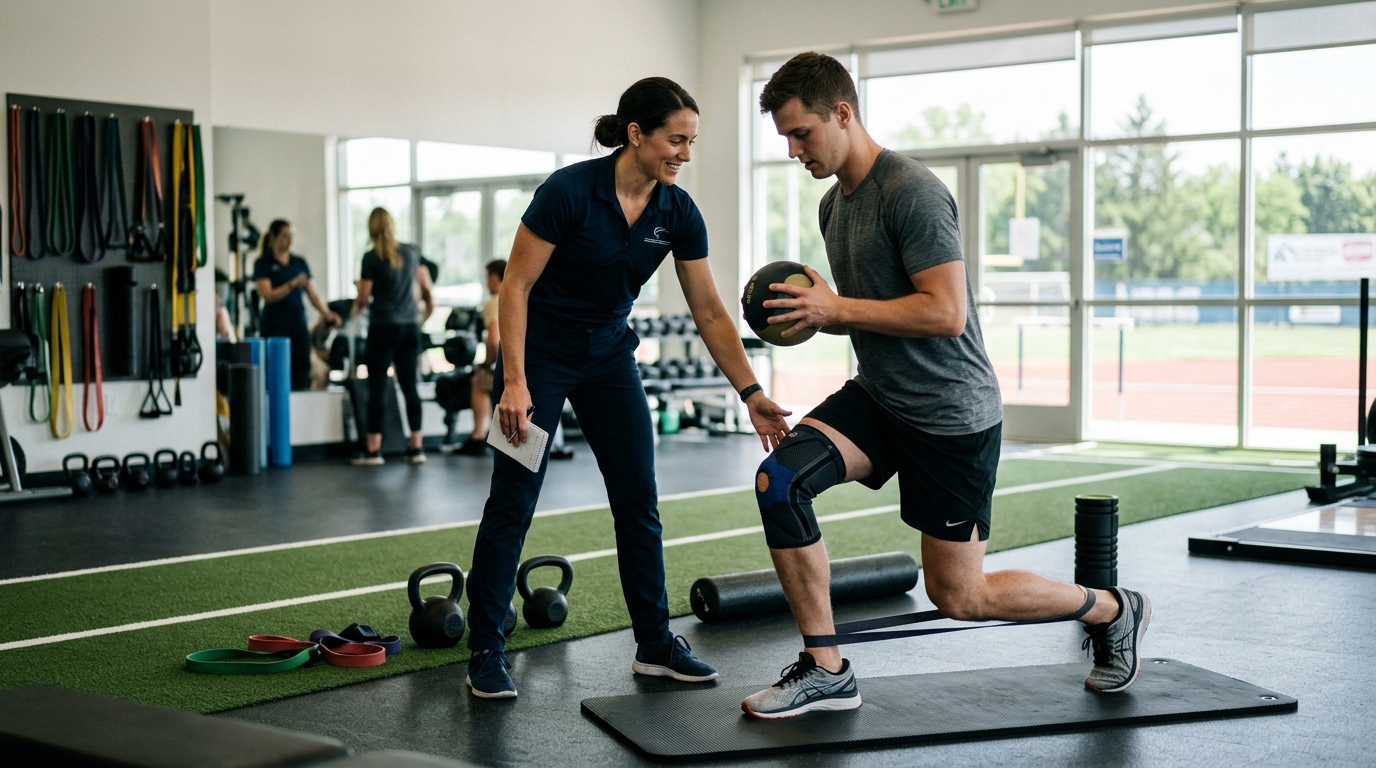
Not every physical therapist is equipped to get you back on the field. Whether you tore your ACL playing soccer or developed shoulder pain from swimming laps, selecting the right clinician can be the difference between a full comeback and a frustrating cycle of re-injury. This guide walks you through eight concrete factors to evaluate before booking that first appointment.
Why a Sports-Focused Physical Therapist Matters
General physical therapy and sports physical therapy share some overlap, but the goals diverge sharply once you move beyond basic pain relief. A sports PT does not simply restore you to daily-life function—they rebuild you for the specific demands of your activity.
Sports physical therapy is a specialized field focused on the unique needs of athletes, aiming to enhance performance, prevent injuries, and facilitate a safe return to sport. Their expertise goes beyond simple recovery; it involves performance optimization and injury prevention strategies unique to a specific sport. A sports physical therapist builds rehab around the specific demands of your sport, not just the minimum threshold for daily life.
In addition to restoring function, sports physical therapists focus on helping patients optimize athletic performance after their injury and preventing future injuries. If you are an active person with competitive goals, this distinction shapes every exercise, every progression milestone, and every return-to-play decision in your recovery.
Factor 1: Look for the SCS Credential or a Sports Residency
The single most reliable indicator of sports-specific expertise is the Sports Certified Specialist (SCS) credential. This is a board certification administered through the American Board of Physical Therapy Specialties (ABPTS) and is officially recognized as the credential for a board-certified clinical specialist in sports physical therapy.
Earning the SCS is not trivial. Candidates must complete at least 2,000 hours of direct patient care in sports physical therapy, with those hours accumulated within the ten years prior to application and a portion completed in the most recent three years. As an alternative pathway, many sports PTs complete an accredited sports residency, which involves 12 to 18 months of intensive mentored work with athletes, including sideline coverage at games and events.
What to ask during your search
- "Do you hold an SCS certification or have you completed a sports residency?"
- "What percentage of your caseload involves athletes or active individuals?"
- "Are you also board certified in orthopedic physical therapy (OCS)?"
Factor 2: Verify Experience With Your Specific Sport
Credentials prove foundational competence, but sport-specific experience is what translates into nuanced clinical decisions. A therapist who routinely works with runners will understand gait analysis and progressive loading protocols for tendinopathy. A therapist experienced with overhead athletes will know the rotator-cuff demands of baseball, swimming, or volleyball.
Look for a therapist who has experience working with athletes and who is knowledgeable about the specific demands of your sport. For instance, if you are a runner, a therapist with experience in managing lower extremity injuries, such as shin splints or knee issues, will be invaluable. If you are a soccer player, your therapist should include drills that mimic the movement patterns used in soccer, like pivoting and kicking.
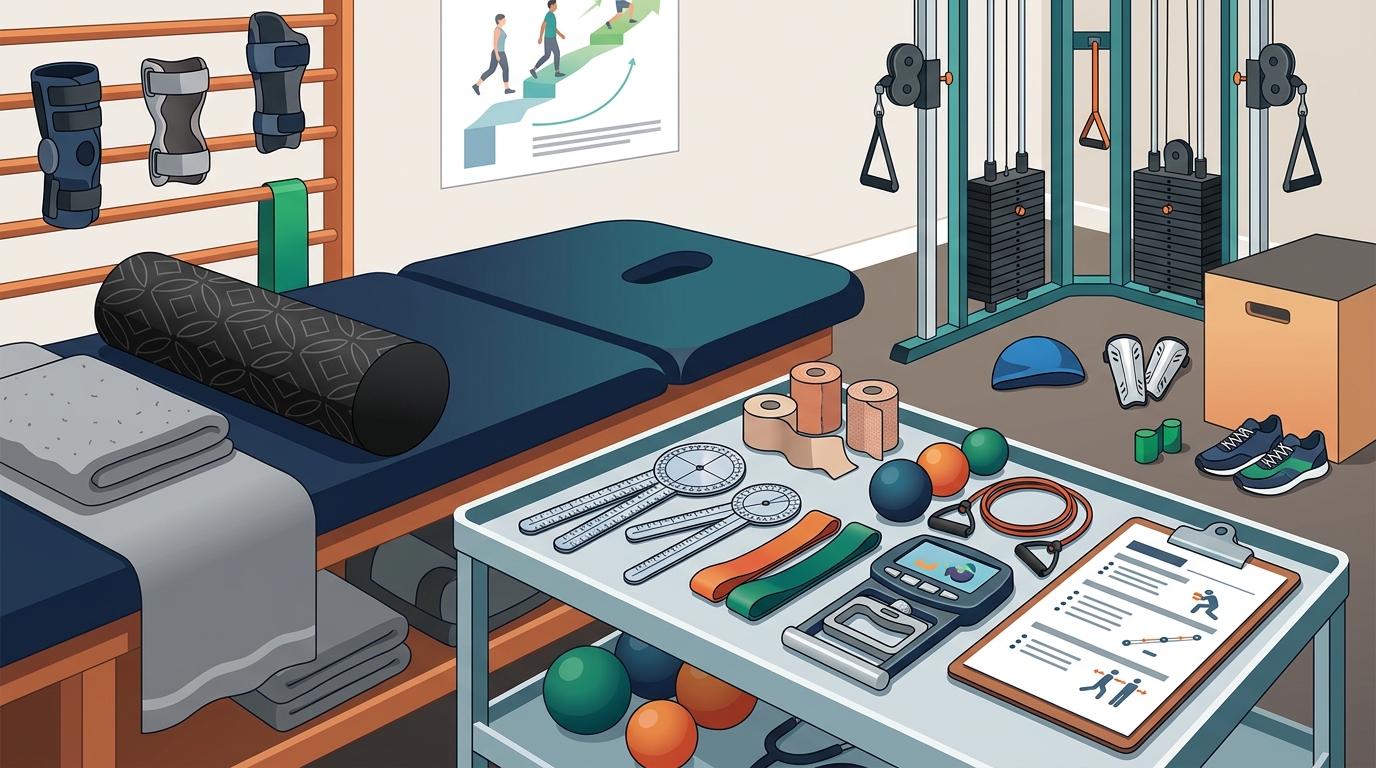
Factor 3: Evaluate the Quality of the First Visit
A high-quality first session reveals whether the therapist is thorough or rushing through a checklist. The first visit should feel thorough. The therapist will take a detailed history covering your injury, training changes leading up to it, previous injuries, sleep, stress, and your specific goals. They will perform a movement screening that goes beyond basic range of motion to include squats, lunges, single-leg balance, and sport-specific patterns.
Red flags during an evaluation
- The therapist spends fewer than 10 minutes asking about your history
- No hands-on assessment or movement screening is performed
- Treatment begins before a clear diagnosis or working hypothesis is explained
- You receive only passive modalities (heat, ultrasound) with no active exercise component
Factor 4: Prioritize Active Rehabilitation Over Passive Treatment
Walk into a high-quality sports PT clinic and expect active sessions, clear goals, and homework that fits your training schedule. This is not a place where you spend most of the time lying on a table waiting for passive treatments to work.
Techniques such as manual therapy, therapeutic exercises, and neuromuscular training are personalized to each patient, ensuring a faster return to their sport. A good program will progress from pain management and range-of-motion work through strength training and sport-specific drills, culminating in return-to-sport testing.
Factor 5: Assess Communication and Patient-Centered Care
One of the most important qualities of a good sports physical therapist is the ability to listen to and understand your goals, needs, and concerns. Look for a therapist who takes the time to listen to your story and understand how your injury affects your life and sport.
A good sports physical therapist will also communicate with physicians, discuss cases when appropriate, and help you decide if imaging or additional medical evaluation is needed. This collaborative approach ensures nothing falls through the cracks, especially for complex or post-surgical cases.
Questions that reveal communication style
- "Can you explain what is causing my pain in terms I can understand?"
- "How will we track my progress together?"
- "What should I do if symptoms flare up between visits?"
Factor 6: Ask About Return-to-Sport Testing Protocols
Recovery is not just about feeling better—it is about performing at your previous level without elevated re-injury risk. A skilled sports physical therapist knows that recovery is not just about feeling better; it is about getting back to performing at your best.
Strong clinics use objective benchmarks: hop tests, strength ratios, agility assessments, and sport-specific movement screens. If a therapist cannot articulate how they determine when you are ready to return to competition, that is a significant gap.
Factor 7: Look for an Injury-Prevention Mindset
The best sports PTs do not stop at recovery—they identify vulnerabilities that led to the original injury. Physical therapists can look for weaknesses and muscle imbalances that may have affected your past performance and provide strategies to prevent future injuries.
A key part of sports PT is analyzing your movement patterns to identify and correct imbalances that could lead to future injuries. Ask whether the therapist includes prehabilitation exercises, movement-pattern correction, and load-management education as part of your program.
Factor 8: Consider Practical Logistics
Even the most credentialed therapist will not help if you cannot attend sessions consistently. Choose a therapist who is conveniently located and who has availability that fits your schedule. Also consider:
- Insurance and cost transparency: Does the clinic accept your insurance? Are self-pay rates clearly listed?
- Session duration: One-on-one sessions of 45–60 minutes are generally preferable to 15-minute visits where you share a therapist with multiple patients.
- Telehealth options: The rise of telehealth has made sports physical therapy more accessible, allowing athletes to receive care remotely, which is particularly beneficial for athletes who live in remote areas or who have busy schedules.
- Equipment: Clinics with squat racks, force plates, and sport-specific tools can offer more thorough rehab progressions.
Key Takeaways
- Seek out a therapist with an SCS credential or completed sports residency for verified sports expertise.
- Confirm the therapist has hands-on experience with injuries common to your specific sport.
- Expect a thorough first evaluation that includes detailed history, movement screening, and strength testing.
- Prioritize clinics that emphasize active rehabilitation and sport-specific progressions over passive-only treatment.
- Choose a therapist who communicates clearly, collaborates with your medical team, and uses objective return-to-sport criteria.
- Do not overlook logistics—location, scheduling flexibility, session length, and cost all affect adherence.
Frequently Asked Questions
What is the difference between a general physical therapist and a sports physical therapist?
While both fields aim to restore function and reduce pain, they have distinct approaches, goals, and patient populations. Sports physical therapists are licensed physical therapists who undergo additional training and certifications in sports medicine. Their rehabilitation programs include performance optimization, sport-specific drills, and injury-prevention strategies that general PT programs typically do not emphasize.
What does SCS stand for and why does it matter?
SCS stands for Sports Certified Specialist. It is administered by the American Board of Physical Therapy Specialties and requires 2,000 hours of direct patient care in sports physical therapy. SCS certification is considered the gold standard in sports physical therapy and proves a physical therapist's competence in sports injuries.
Do I need a referral to see a sports physical therapist?
In most U.S. states, you can contact a physical therapist directly for an evaluation through direct access laws. However, some insurance plans still require a physician referral for coverage. Check with both your insurer and the clinic before scheduling.
When should I see a sports physical therapist versus going to the emergency room?
Consider booking with a sports physical therapist when pain lasts beyond a few days without meaningful improvement, or when discomfort returns every time you increase training volume or intensity. However, traumatic injuries that involve a pop, crack, or immediate instability, obvious deformity suggesting a fracture or dislocation, or major loss of strength and numbness radiating down an arm or leg need immediate medical attention.
How long does sports physical therapy take?
Recovery times vary. Your recovery will depend on the type of injury, whether you had surgery, and the demands of the sport to which you wish to return. Minor soft-tissue injuries may resolve in 4–6 weeks, while post-surgical ACL rehab programs typically span 9–12 months before full return-to-sport clearance.
Can sports physical therapy help even if I am not a competitive athlete?
Absolutely. Sports PTs work with athletes at all levels, from amateur to professional. Whether you are a weekend runner, a recreational basketball player, or someone who wants to stay active without recurring pain, sports-focused PT addresses the movement demands that matter to you.
Ready to Find the Right Sports PT?
At NL Physio, our therapists combine sport-specific clinical expertise with individualized treatment plans designed around your goals—whether that is returning to competitive play or simply moving without pain. Schedule your evaluation today and take the first step toward a stronger comeback.